Running Shoes Tips | Valley Stream, NY Podiatrist
How to Choose the Right Shoes for Injury Prevention and Performance
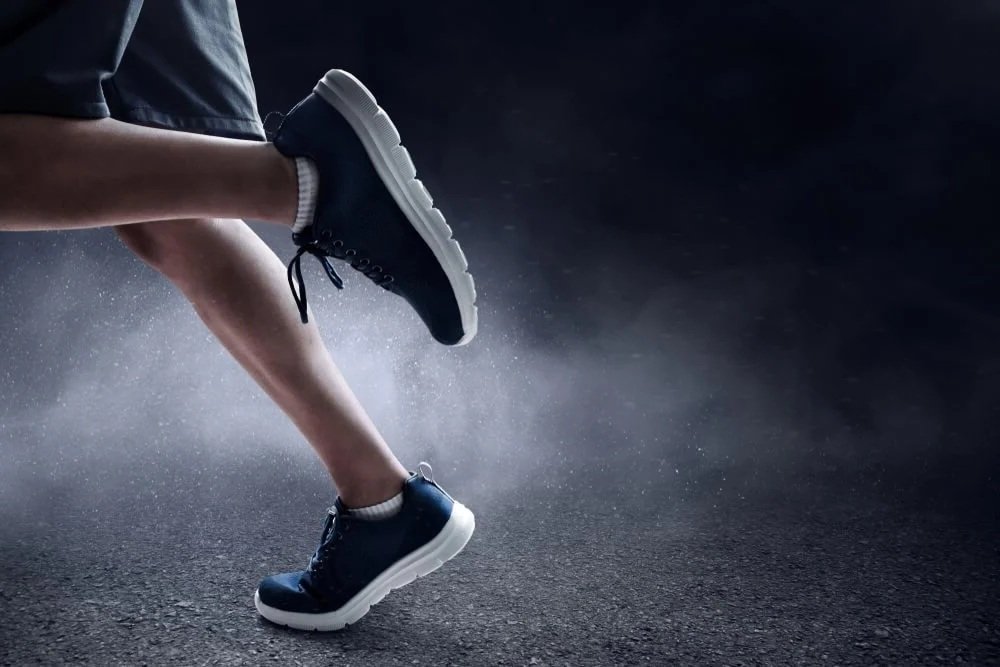
Running is one of the most accessible forms of exercise, but it also places repeated stress on the feet and lower limbs. Choosing the right running shoes is essential for protecting your feet, improving comfort, and reducing the risk of injury. From a podiatric perspective, running shoes should support your individual foot structure and running mechanics, not just your style or brand preference.
Why the Right Running Shoes Are Critical
Every step while running generates impact forces that can be several times your body weight. Over time, improper footwear can overload muscles, tendons, and joints. Recent podiatric research and clinical experience show that well fitted running shoes help improve shock absorption, guide healthy foot motion, and reduce overuse injuries such as plantar heel pain, Achilles tendon strain, and knee discomfort. The right shoes also help maintain efficiency and endurance, especially for runners who train regularly.
Know Your Foot Type and Running Pattern
Feet vary greatly from person to person. Some runners have neutral arches, while others have low arches or high arches. Equally important is how your foot moves when it strikes the ground. Excess inward rolling of the foot, known as overpronation, or outward rolling, known as supination, can influence shoe selection.
A professional gait and foot evaluation by our Foot and Ankle Doctors can identify these factors. This information allows you to select running shoes that complement your natural movement rather than fight against it. Modern running shoes over the past several years are designed to provide targeted support without overly restricting motion, which is key for comfort and injury prevention.
Essential Features to Look for in Running Shoes
Comfort should be immediate. A quality running shoe should feel supportive from the moment you put it on. Look for a shoe with a secure heel to stabilize the rear foot, balanced cushioning to absorb impact, and a flexible forefoot to promote smooth forward motion. The toe box should allow enough space for your toes to spread naturally during running.
Lightweight materials can improve efficiency, while breathable fabrics help manage moisture and reduce skin irritation. Avoid choosing shoes solely based on maximum cushioning or minimal design. The best running shoe is one that matches your foot needs and running goals.
Proper Fit Makes a Measurable Difference
Always measure your feet while standing, as foot size can change over time. Shop later in the day when your feet are slightly swollen, similar to how they feel during a run. Wear your running socks when trying on shoes. If your feet are different sizes, select shoes that comfortably fit the larger foot.
There should be a small amount of space between your longest toe and the front of the shoe, but not so much that the foot slides during movement.
When to Replace Your Running Shoes
Running shoes lose their supportive and shock absorbing properties with use. Most runners should replace shoes every three hundred to five hundred miles. Signs you need new shoes include recurring foot pain, leg fatigue, uneven wear patterns, or reduced cushioning.
Get Professional Advice When Needed
Persistent pain or frequent injuries are signs that your footwear may not be right for you. A podiatrist can evaluate your feet, recommend appropriate running shoes, and determine if custom orthotics are beneficial. At Valley Stream Podiatry, located in Valley Stream, NY, our Podiatry team help runners choose footwear that supports performance, comfort, and long term foot health.
Make an appointment with Dr. Andrew Shapiro, Dr. Michael Barkin and Dr. Sajni Shah for an expert gait and foot evaluation .
Call us at (516) 986-4181 or book an appointment online for help for all your foot or ankle issues today.